

Who Are You, Underneath What You Were Told to Be?
The Work
The Work
Much of my work sits where neurodivergence and trauma meet — masking, fawning, late self-recognition, and the slow work of finding out who you actually are underneath what you learned to perform.
Here are some of the places this work commonly shows up. You might recognize yourself in one, several, or the spaces in between them.
Identity Work

Some people arrive knowing exactly what they want to work on. More often it's a slower, less nameable thing: a sense that the version of you that other people interact with was assembled a long time ago, under pressure, and you're no longer sure how much of it is yours.
Unmasking. If you were identified late — or figured it out yourself — you may have decades of camouflage running automatically. Scripts, borrowed mannerisms, a whole social operating system built by observation. Taking it apart is disorienting, because "what do I actually want" and "what am I actually feeling" turn out to be genuinely hard questions when you've spent your life answering them by reading the room.
Gender. Exploration without a timeline and without a destination you're required to reach. You can be certain, uncertain, mid-shift, or content to leave it unresolved. You don't have to be distressed enough to qualify, and you don't have to perform a coherent narrative for me.
The overlap. Autistic and ADHD people are statistically more likely to be trans, nonbinary, or gender-questioning — and they're also the people most likely to have their gender dismissed because of their neurotype. You may have been told you only think you're trans because you're autistic, or that being autistic means you can't really know. Both of those are ways of telling you that you're not a reliable narrator of your own life. I don't work that way.
Self-identification is welcome here. You don't need a formal assessment to work with me.
When empathy gets used against you
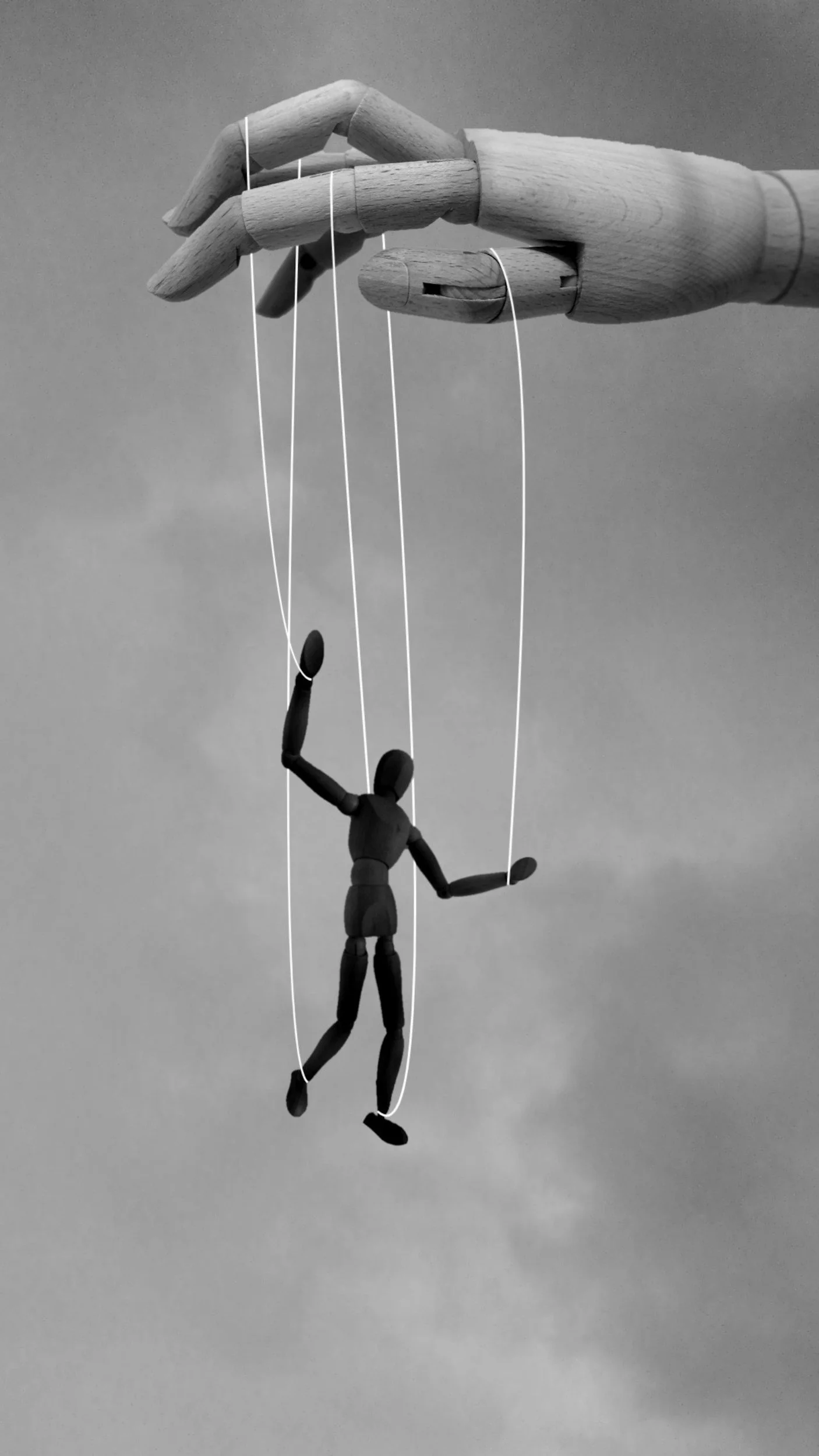
Abusers don't target people who are weak. They target people who are useful — and if you're autistic, ADHD, or simply very empathic, you may have been trained since childhood to be extremely accommodating.
Scanning for someone else's mood before you check your own. Apologizing for reactions that were proportionate. Going along, because pushing back always cost more. Those are survival adaptations — and to someone whose organizing question is what can I get from this, every one of them is a handle to grab.
It's why this is so hard to see from the inside. The same capacity that would let you spot a friend's bad relationship in ten minutes is being spent, all day, generating the most generous possible reading of your own.
I work with survivors of coercive control: recognizing it, surviving it, and leaving carefully, when and if you decide to.
This work is personal to me. I know how long it takes to see clearly, and how much of that time gets spent blaming yourself for not seeing it sooner. You won't get any of that from me.
Men, ADHD, and the anger underneath
Most men with ADHD were never told they had it. They were told they were lazy, careless, disruptive, too much. By adulthood that's less a diagnosis than a settled belief about their own character.
Then there's the anger — which is usually not an anger problem. It's rejection sensitivity, an overloaded nervous system, emotional dysregulation and years of accumulated shame arriving in the only form that ever got out. Work here is on what's underneath the volatility, and on separating the ADHD from the story you built about being a failure.
We will learn how to regulate emotions, how to communicate better in conflict, and most importantly, how to be kind to yourself.

Late-Diagnosed Autism
You were probably called shy, sensitive, gifted, anxious, or dramatic. You may have been treated for an eating disorder, or given a personality disorder diagnosis, or told you were just a perfectionist. What you were doing was masking, and you were good at it, which is exactly why nobody caught it.
Recognizing it at thirty or fifty reorganizes your whole history. Work here is on the grief, the burnout that came from decades of unbroken performance, the anger at what earlier recognition might have changed, and the slow question of who you are with the mask down.
This is where the identity work also comes in.
People-pleasing Recovery
Fawning is a survival response, alongside fight, flight, and freeze. If appeasing people was how you stayed safe, it doesn't switch off just because you're now somewhere safe.
This is practical work: noticing the yes before it leaves your mouth, tolerating the discomfort of disappointing someone, telling real connection from performed agreement, and learning what you actually want after years of routing around that question.

Emotional Psychoeducation
Many people arrive not knowing what they feel. Not avoiding it, genuinely struggling to name it. That's common with alexithymia and interoceptive differences, and it's much more common in autistic and ADHD people than most therapy assumes.
This is the ground-floor work: what emotions are, where they show up in the body, how to catch one before it's already at ten, and what to do then. It's not remedial. Nobody taught you this, and a lot of therapy skips straight past it.
I operate using a three step approach:
Step One: Feel (I’ll teach you how)
Step Two: Curiosity (What emotion was it? When was the last time I felt it? What might it be communicating? Etc.)
Step Three: Action (How to take this forward and make changes, decisions or requests in my life.)
Neurodivergent Students
University assumes a brain that can plan a semester in advance, break a vague assignment into steps, and start working before the panic arrives. If yours doesn't do that, the standard advice — a planner, better discipline — is not just useless but a little insulting.
This is work on executive function as it actually operates: deadline paralysis, the gap between knowing what to do and being able to start, burnout that reading week doesn't touch, and deciding whether to register with accessibility services and what that costs you socially. Also the isolation and feelings of inadequacy, which is often the harder part.

Parentification

If you were the one who managed a parent's moods, mediated the fights, raised a sibling, or held the family together, you learned early that your needs were the thing that could wait.
Adults who grew up this way are often extremely capable and quietly exhausted. They struggle to identify what they want, feel guilty resting, over-function in every relationship, and end up with partners who need managing. Work here is on giving the job back — and on the anger that shows up when you realize it was never yours.
Wondering if you're Autistic or ADHD

A lot of people spend months in the maybe. Reading, recognizing themselves, doubting it, wondering if they're just looking for an excuse.
I'm not an assessor and I can't diagnose. What I can do is think it through with you: what fits and what doesn't, whether pursuing formal assessment is worth the cost and wait, what it would actually get you, and what self-identification does and doesn't cover. Plenty of people land on not pursuing it and do fine. Either way, you're allowed to take yourself seriously before anyone signs off on it.
"Neurodivergence doesn't follow a straight line. It curves, overlaps, and branches into complex, beautiful configurations... The world doesn't need you to shrink into its boxes."
— Ronen Dancziger
You don't have to keep carrying it by yourself. Whenever you're ready to say it out loud, I'll be here for that.