
Books I Wish I'd Had
I write children's books for earlier versions of myself.
I was an AuDHD, highly sensitive kid — the kind who felt everything at full volume, worried about things nobody else seemed to notice, and was told fairly often to calm down or that I was overreacting. Nobody handed me a book that said the thing my brain was doing had a name, made sense, and wasn't a defect. So I write those.
They're for kids who feel too much and think too fast. They're also, quietly, for the adults reading aloud who recognize themselves on the page.
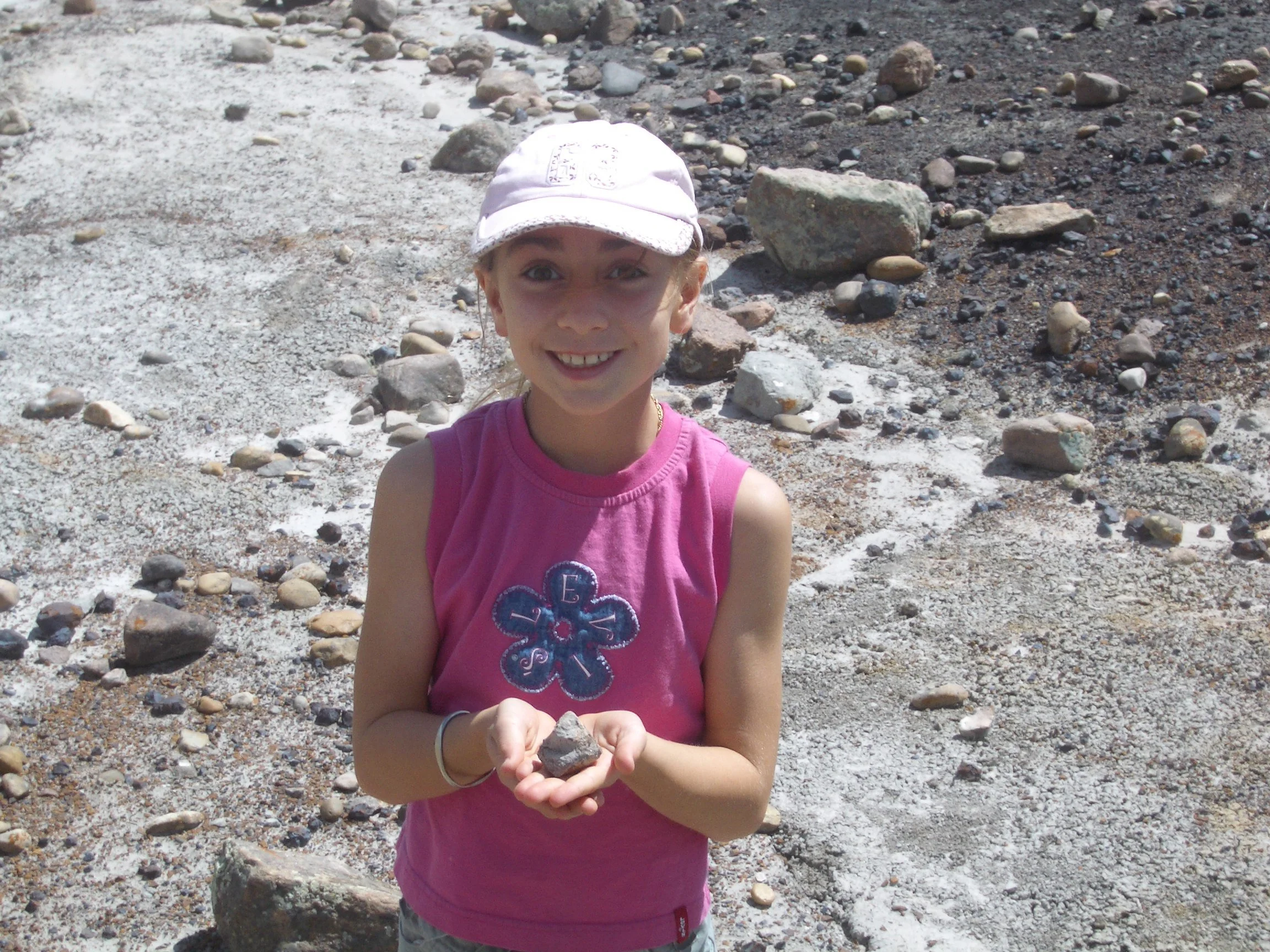
My Inner Child, aged 10.
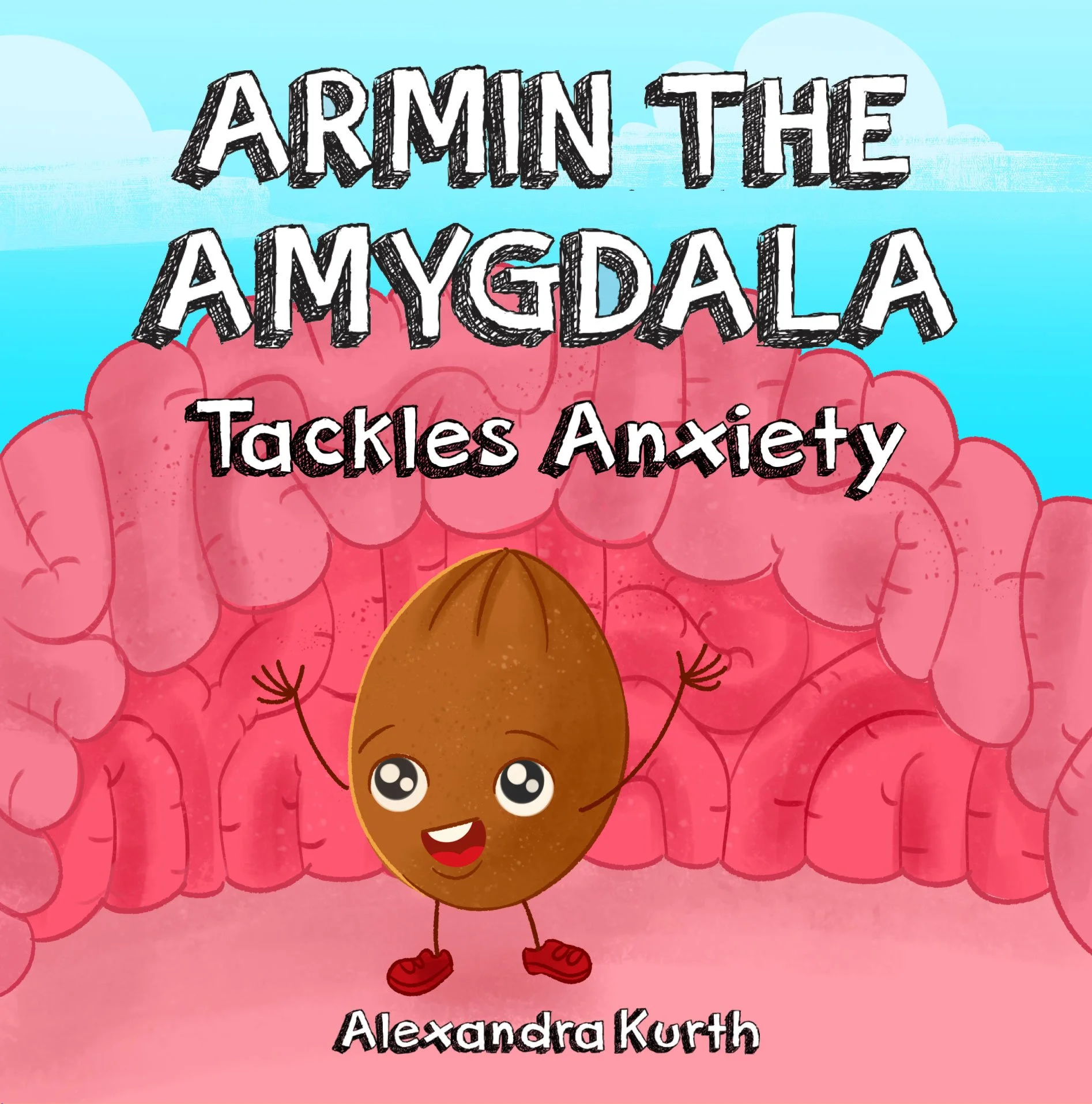
Armin is the part of your brain whose whole job is keeping you safe. He takes that job very seriously. Sometimes a bit too seriously.
When kids understand what anxiety actually is — a small, loyal alarm system doing its best with imperfect information — it stops being a mysterious thing that happens to them and becomes something they can work with. Armin has a rough stretch of false alarms, and slowly learns how to settle. Along the way, so does the reader.
Written for kids who feel everything at full volume, with grounding and mindfulness skills built into the story rather than tacked on at the end. No villain to defeat. Just a nervous system learning it can stand down.
You can get it here →
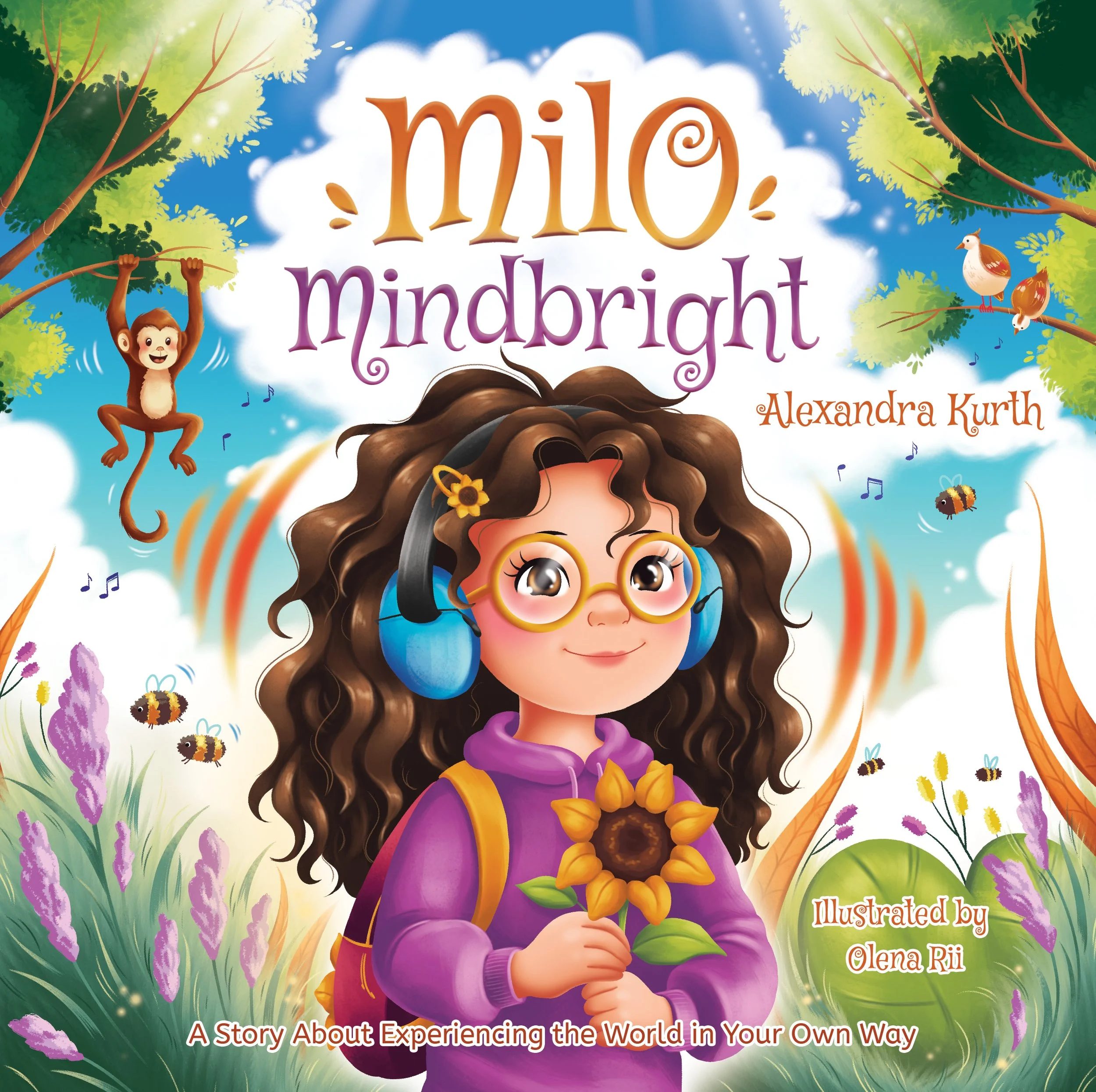
Milo is going to the zoo. The lions are too loud. The sloth house smells too strong. And the rabbit's fur is so soft it makes her bounce with joy.
It's a wonderful day. It's also a lot. Both are true at once, and neither one cancels the other out.
Over the course of the day Milo picks up one question — what do I need right now? — first from a trusted adult, then, by the end, on her own. Nobody asks her to stop bouncing. When she needs to leave her own family dinner, she leaves, and then she comes back, and that's just how the evening goes.
Written for ages 4–8, with real tools solving real problems on the page: earmuffs, a soft scarf, a squishy toy, a notebook. There's a build-your-own comfort kit at the back and a note for the adults reading along. Equally at home with older kids, teens, and anyone who experiences the world at full volume — sensory needs don't have an age limit.
You can get it here →